AI-Powered Smart Gesture Control with TOF & Vision Tech for Intuitive UX
(2025年05月14日)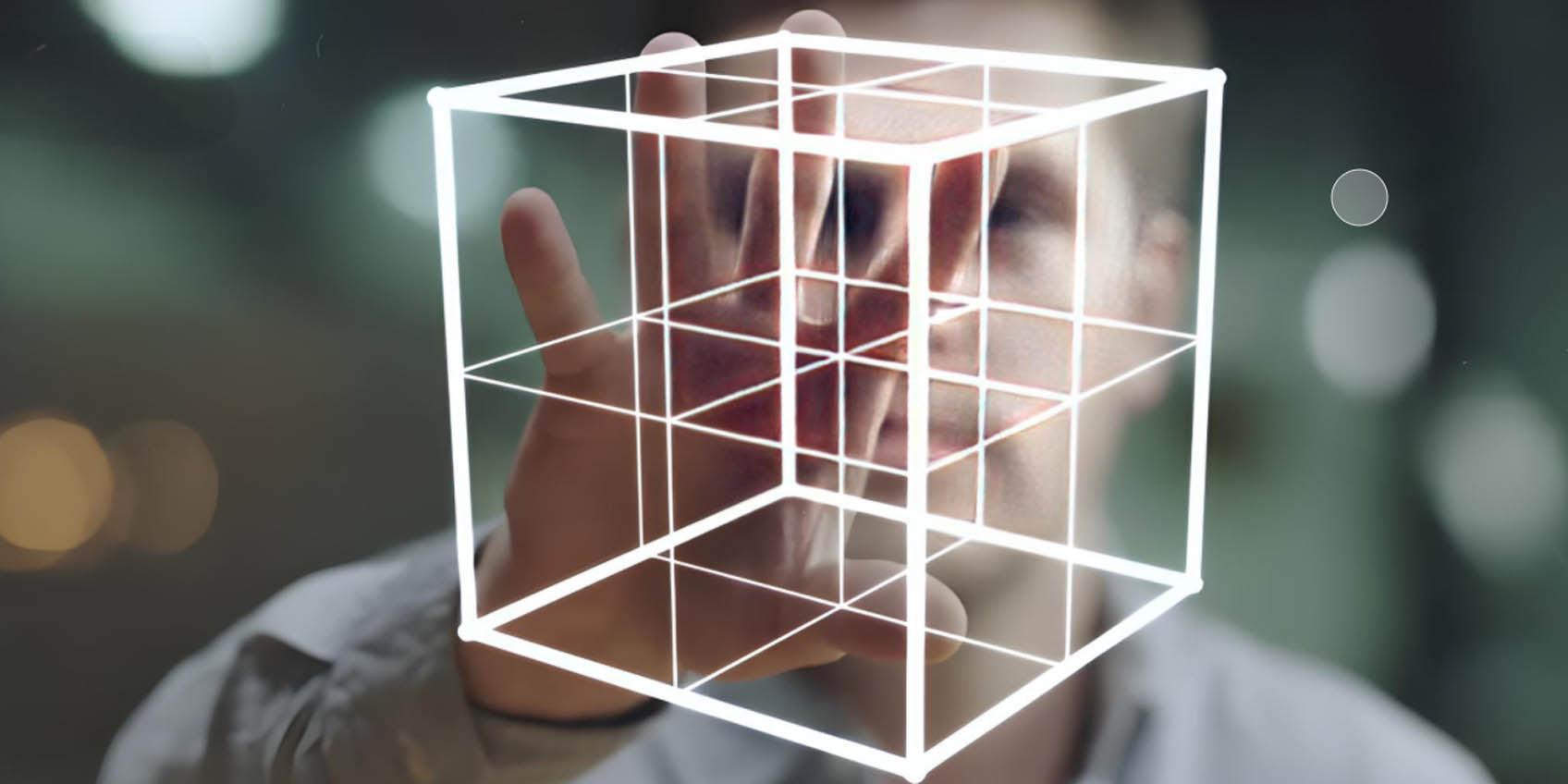
As artificial intelligence (AI), computer vision, and sensor technologies such as Time of Flight (TOF) and Field of View (FoV) detection evolve, smart gesture control is transforming the way we interact with digital environments. This cutting-edge technology is now driving innovation across industries like smart homes, healthcare, gaming, virtual reality (VR), augmented reality (AR), security systems, and industrial automation.
Unlike earlier gesture recognition systems that were limited by basic hardware and rule-based algorithms, today’s smart gesture control systems utilize high-resolution 3D vision, infrared detection, LiDAR (Light Detection and Ranging), and deep learning. These advancements enable real-time, contactless control with high accuracy and responsiveness, pushing gesture-based interaction into the forefront of intelligent interface design.
From intuitive control in residential settings to precise machine interaction in industrial environments, gesture recognition has evolved into a core enabler of the next-generation user experience. It enables seamless and hygienic interaction, especially in scenarios requiring minimal physical contact.
What Is Gesture Control?
Gesture control is a technology that identifies and interprets the motion of hands or other body parts using a combination of cameras, depth sensors (like TOF), computer vision, and AI-based recognition algorithms. These systems convert human gestures into digital commands, allowing users to control devices without touching them.
Compared to traditional interfaces such as buttons or touchscreens, gesture control offers a more natural and contactless method of interaction, making it ideal for smart environments and high-sensitivity applications.

Smart Homes: Contactless Living and Intelligent Automation
Gesture control is playing a pivotal role in making smart homes more responsive and user-friendly. Users can control lighting, entertainment systems, thermostats, and blinds through simple hand gestures—without ever touching a switch.
Adaptive Home Automation
Advanced gesture systems recognize individual users’ habitual gestures and personalize responses. For example, a wave of the hand could simultaneously dim the lights, close the curtains, and activate the home cinema system.
Enhanced Safety and Hygiene
By eliminating physical contact, gesture-based control contributes to a cleaner, safer home—especially relevant in post-pandemic living where contactless solutions are preferred.
Healthcare: Contactless Interaction for Safer Care
In hospitals, elder care facilities, and home health environments, gesture control facilitates touch-free operation of medical devices, improving hygiene and safety.
Emergency Response with a Gesture
Patients can summon help or trigger alerts with a simple motion—ideal for those with mobility constraints or during emergency situations where verbal communication may be difficult.

Touchless Equipment Management
Medical staff can control infusion pumps, monitors, or diagnostic equipment without touching the devices, reducing the risk of cross-contamination.
VR, AR, and Gaming: Immersive and Natural Interfaces
In immersive technologies like VR and AR, gesture control elevates realism by enabling users to interact naturally within virtual spaces.
Real-Time 3D Interaction
Gesture control systems with integrated TOF sensors provide accurate hand tracking and depth perception, allowing users to manipulate objects, navigate environments, and perform precise actions intuitively.
Beyond Controllers
Users are no longer limited by physical game controllers—hand gestures can offer finer control and greater immersion, especially in training simulations, creative applications, and open-world games.
Smart Security: Intuitive Monitoring and Control
Security operations are becoming more streamlined with gesture control, allowing operators to manage devices without direct contact.
Dynamic Camera Adjustments
Security personnel can change camera angles, zoom levels, or activate recordings with specific gestures, improving situational awareness and response times.

Gesture-Based Emergency Triggers
In high-risk areas, a quick gesture can silently trigger alarms or notify law enforcement, enhancing both discretion and response effectiveness.
Industrial Applications: Safe and Efficient Operations
In manufacturing plants and industrial sites, gesture recognition adds a layer of safety and efficiency by enabling hands-free machine control.
Hands-Free Equipment Control
Operators can adjust production parameters—such as conveyor belt speeds or robotic arm positions—through gestures, especially valuable in hazardous zones.
Reduced Downtime and Human Error
With intuitive gesture-based interfaces, operators can perform adjustments more quickly, reducing downtime and operational errors in real-time environments.
Secure Access and Authentication
Gesture recognition can also be integrated into smart access control systems for both residential and enterprise use.
Gesture-Guided Entry Systems
Instead of using physical keys or keypads, users can unlock doors or access systems with pre-defined hand movements.
Multi-Factor Authentication
Combining gesture recognition with biometric methods like facial or fingerprint identification enhances security while offering a smooth, contactless experience.
TOF and FoV: Key Technologies Behind Gesture Recognition
Field of View (FoV) determines the extent of the area a sensor can observe. A wide FoV ensures that user gestures are recognized from different positions and angles, improving flexibility and usability.
Time of Flight (TOF) sensors measure the time it takes for a light signal to bounce back from a surface (such as a user’s hand). This enables real-time 3D depth perception, making gesture control highly accurate even in low-light or complex environments.
The synergy of FoV and TOF technologies enables smart gesture systems to function effectively in both static and dynamic scenarios, regardless of lighting or distance variations.
Conclusion
Smart gesture control is no longer a futuristic concept—it’s an evolving technology reshaping how we live, work, and play. By integrating TOF, FoV, AI, and computer vision, gesture control offers intuitive, touch-free interaction that enhances safety, convenience, and efficiency across multiple industries.
Whether it’s adjusting smart home devices, performing surgery, navigating a virtual battlefield, or operating factory machinery, gesture control is becoming an indispensable part of digital transformation. As technology matures, expect gesture recognition to play an even more central role in enabling intelligent automation and seamless human-machine collaboration.
Synexens 3D Of RGBD ToF Depth Sensor_CS30
SHOP NOWhttps://tofsensors.com/collections/time-of-flight-sensor/products/rgbd-3d-camera
After-sales Support:
Our professional technical team specializing in 3D camera ranging is ready to assist you at any time. Whether you encounter any issues with your TOF camera after purchase or need clarification on TOF technology, feel free to contact us anytime. We are committed to providing high-quality technical after-sales service and user experience, ensuring your peace of mind in both shopping and using our products.
- このできごとのURL:


コメント